1. What Blocked Cyber Range Adoption
According to Gartner, the first generation of cyber ranges — despite addressing a real need — never achieved meaningful adoption. Gartner projects that mass adoption is still 5–7 years away, for the following reasons:
1.1 Incomplete Value Proposition
Most platforms presented themselves as simple virtualization environments, without turnkey offensive/defensive scenarios. Already understaffed and overworked, organizations lacked the time and resources to design relevant scenarios themselves. Result: limited usage, weak value delivered.
1.2 High Cost of Use
Beyond initial acquisition, cyber ranges require continuous investment: adapting environments, creating new scenarios, updating against emerging threats. The total bill often outweighed the perceived value, especially for organizations with constrained cyber budgets.
1.3 Operational Complexity
Running these platforms required rare skills and dedicated time — luxuries smaller organizations don't have. What was sold as an “accelerator” often became an operational burden.
1.4 Lack of Evangelization of Human-First Culture
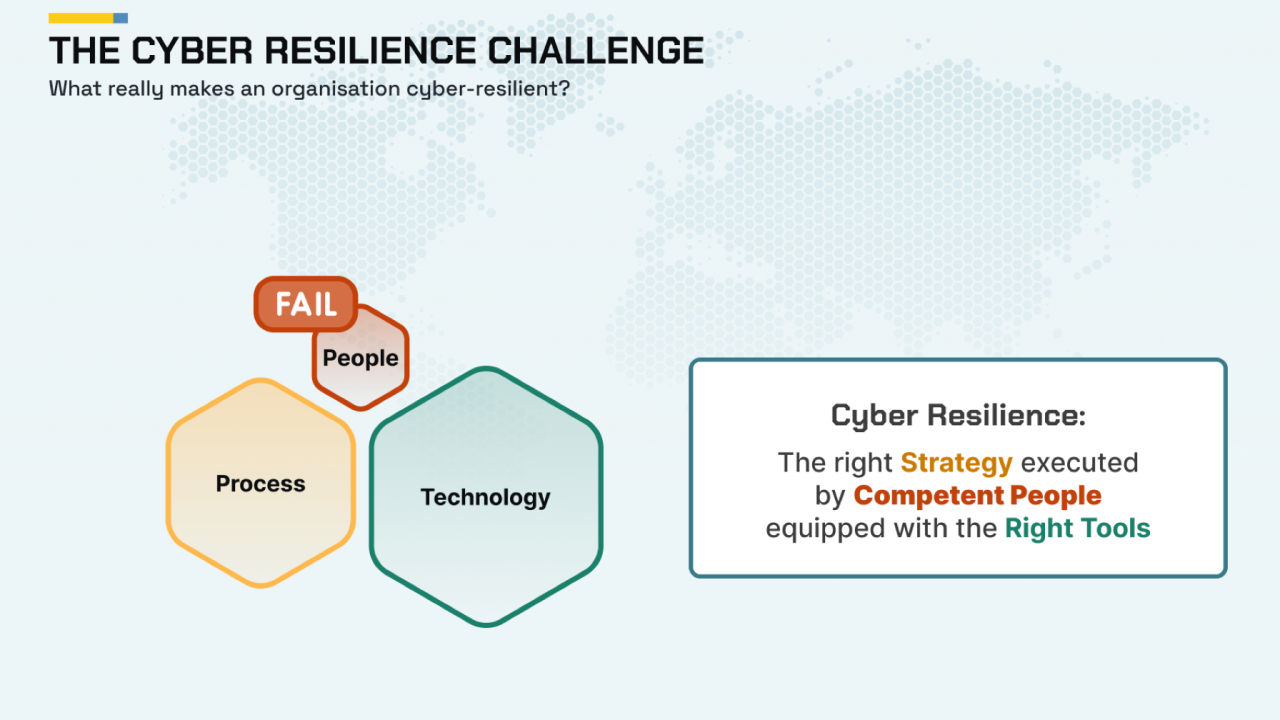
The market remained tool-centric: protection and detection solutions over human readiness. The role of people — configuring tools correctly, executing processes under stress — was under-valued. Without clear education around “cyber resilience through skills,” adoption stayed flat.
1.5 Go-to-Market Stuck in Niches
Only defense and government players — with the budgets and resources to sustain them — could realistically adopt. For mid-size businesses, health, or industry, cyber ranges were too expensive, too complex, and simply out of reach.
1.6 Weak Link to Risk Metrics & ROI
Cyber ranges often failed to connect training with measurable business outcomes:
- Time to recruit and operationalize new hires.
- Detection & response performance (MTTD, MTTR).
- Speed of patching vulnerabilities and misconfigurations.
- DevSecOps hygiene: deployments without introducing new flaws.
Without such anchors, CISOs struggled to justify investment at the board level.
2. Gartner's Recommendations to Accelerate Adoption
To move beyond early adopters, Gartner calls on vendors to:
2.1 Affordability
Leverage cloud, AI, and automation to cut costs, speed up deployment, and make ranges accessible beyond “big accounts.”
2.2 Expansion
Go beyond defense and government. Build sector-specific scenarios for healthcare, finance, and industry — usable out of the box.
2.3 Integration / Digital Twins
Evolve from virtual labs to digital twins: real infrastructure simulations, emerging threat emulations, integrated with market security tools.
3. Why This Validates Secdojo's Strategy
This Gartner note doesn't just describe today's barriers — it draws the roadmap to overcome them. And that's exactly Secdojo's DNA.
- Affordability: Cloud-native, scalable, with flexible pricing aligned to delivered value.
- Ease of Use: Agentic AI simplifies adoption, making the platform usable not just by CISOs and SOC teams, but also HR and IT leaders for recruitment and faster onboarding.
- Expansion: Every organization, regardless of size or sector, deserves its own cyber academy. Secdojo builds and powers those academies, tailored to each context.
- Integration: Beyond virtualization — we deliver digital twins of IT and OT environments, enriched with real-world emerging threats, integrated with enterprise security stacks.
4. Focus on ROI and Readiness
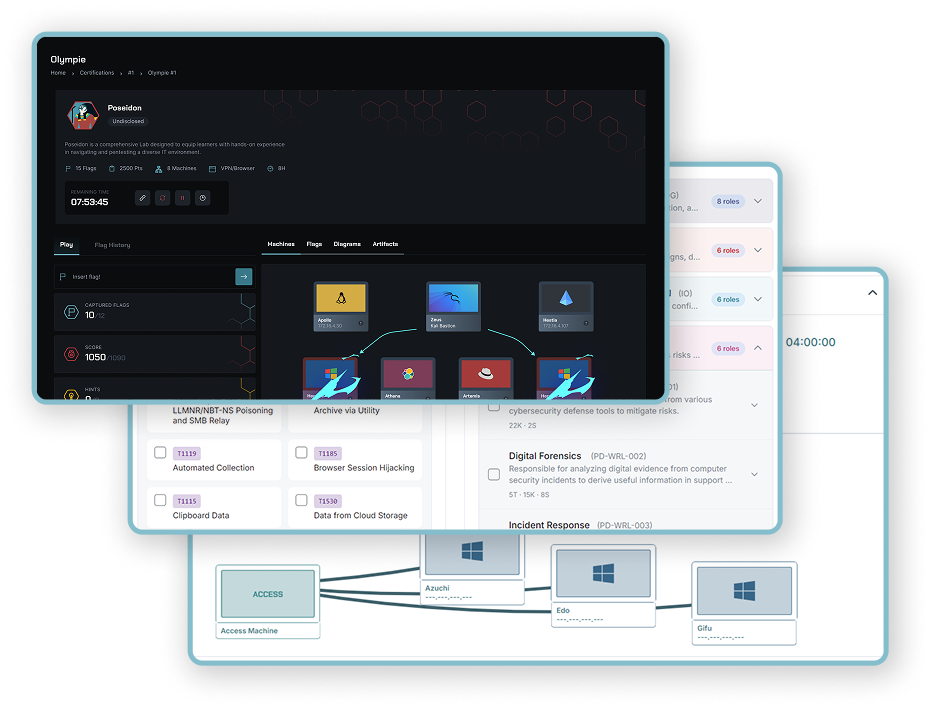
Secdojo was designed to give CISOs a clear, real-time metric of Cyber Readiness across operational and decision-making teams. The platform measures execution capacity, identifies gaps, and automatically transforms them into upskilling missions targeted to the right individuals and teams.
Examples include:
- A CERT's ability to respond to advanced incidents (MTTR).
- A Dev team's speed in patching vulnerabilities.
- A crisis cell's capacity to manage a large-scale cyberattack.
In short: what Gartner forecasts as prerequisites for mainstream adoption in 5–7 years, Secdojo has already built — today.
👉 Question for CISOs: What do you see as the biggest blocker to adopting a ready to use cyber range now — and giving your teams the simulator they need to measure and grow skills, and strengthen your organization's cyber resilience?
Originally published in SecDojo Insights on LinkedIn.
View original publication